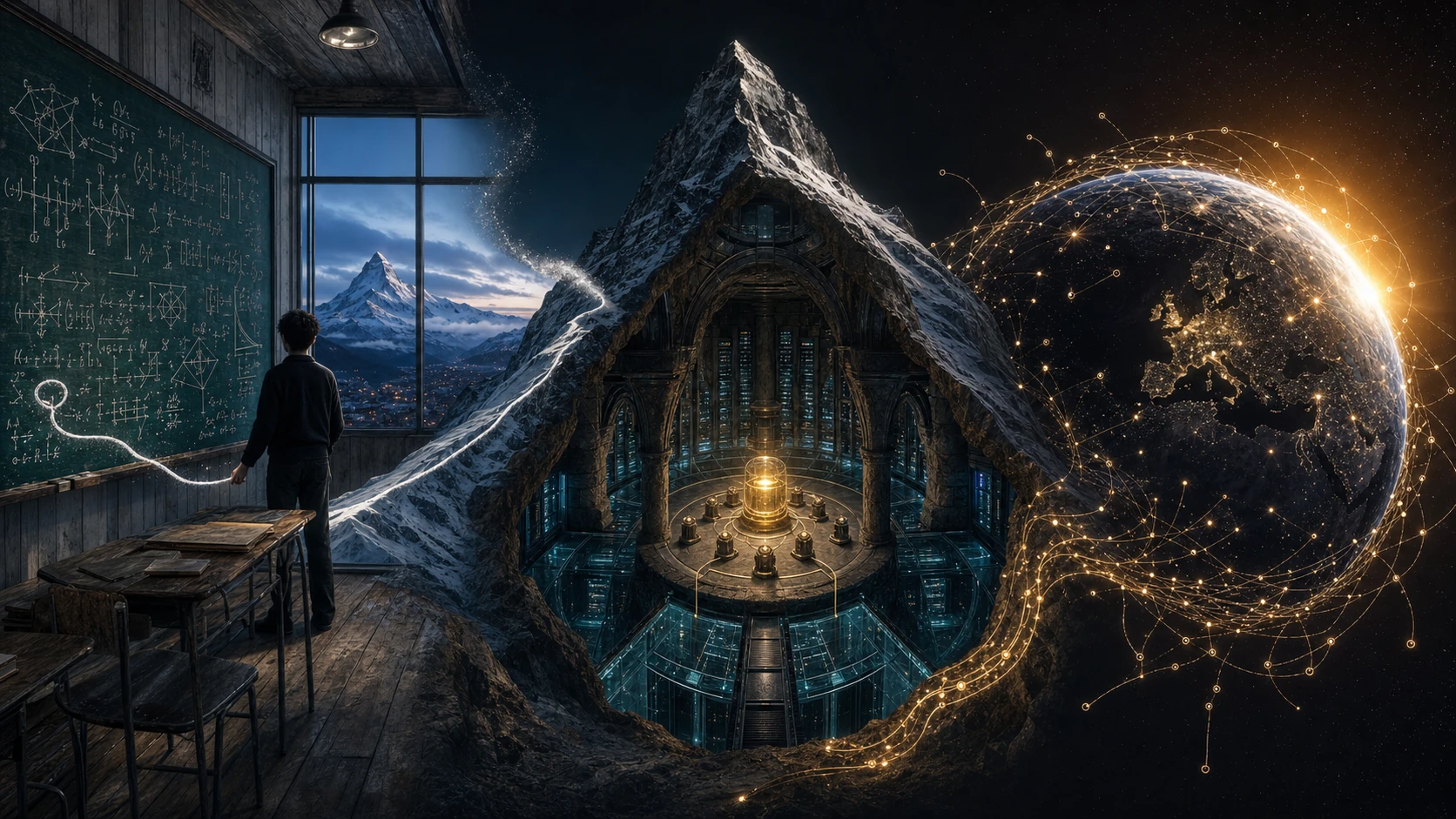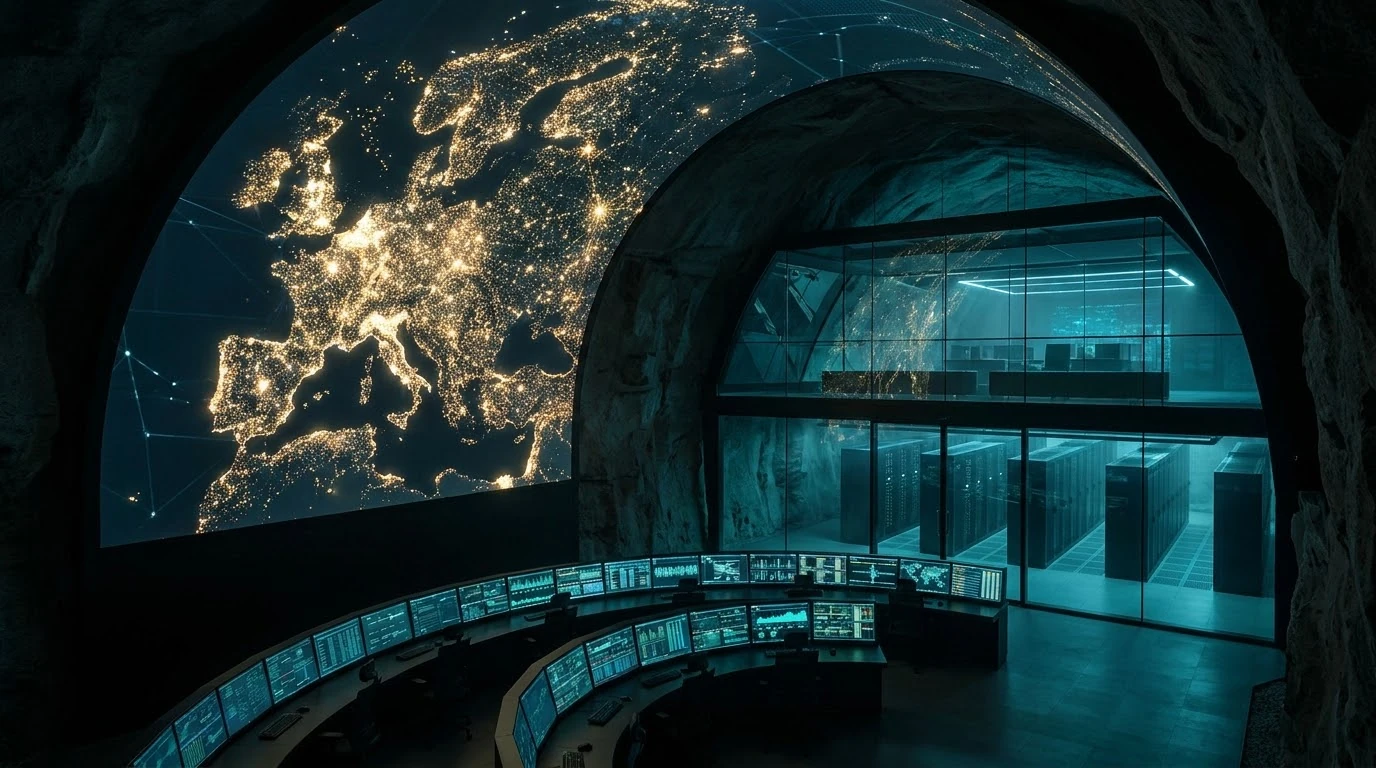
A secure command room overlooking an illuminated map of Europe

The science-fiction sequence

The Algorithm Saga

Four numbered books. One neural architecture. A struggle over who may enter the human mind—and what even benevolent power must refuse to do.

Enter the sequence

Free prelude

Algorithm-319

Claim it free

Start here · Volume I

Algorithm-323

Ordering terms
ShippingShips in 1 to 3 business days from the US
Returns30 days, on unread print copies
Damaged in transitWe replace it free
Digital deliveryeBooks and audiobooks arrive by email in minutes

The sequence

Four numbered books

See every volume

The central invention

When thought becomes transmissible, privacy becomes the last frontier.

Nicolas Tosh creates a mathematical bridge to the brain: thoughts can replace voices, memories can be downloaded, and a global neural network can hold what once belonged to one person alone.

The discovery begins as a promise. Across four books, it becomes a contest between connection and control, protection and surveillance, consent and the temptation to overwrite.

The release order is part of the story

Read the fracture before the missing pieces.

  1. 01 323 Discovery Published
  2. 02 325 Conflict Published
  3. 03 324 Expansion Published
  4. 04 326 Synthesis Published

Four movements of consequence

A discovery becomes a siege, a trespass, and finally a choice.

The saga follows one impossible architecture from its first human transfer to the covenant that must govern it. Each volume changes not only what the technology can do, but what its makers are responsible for refusing.

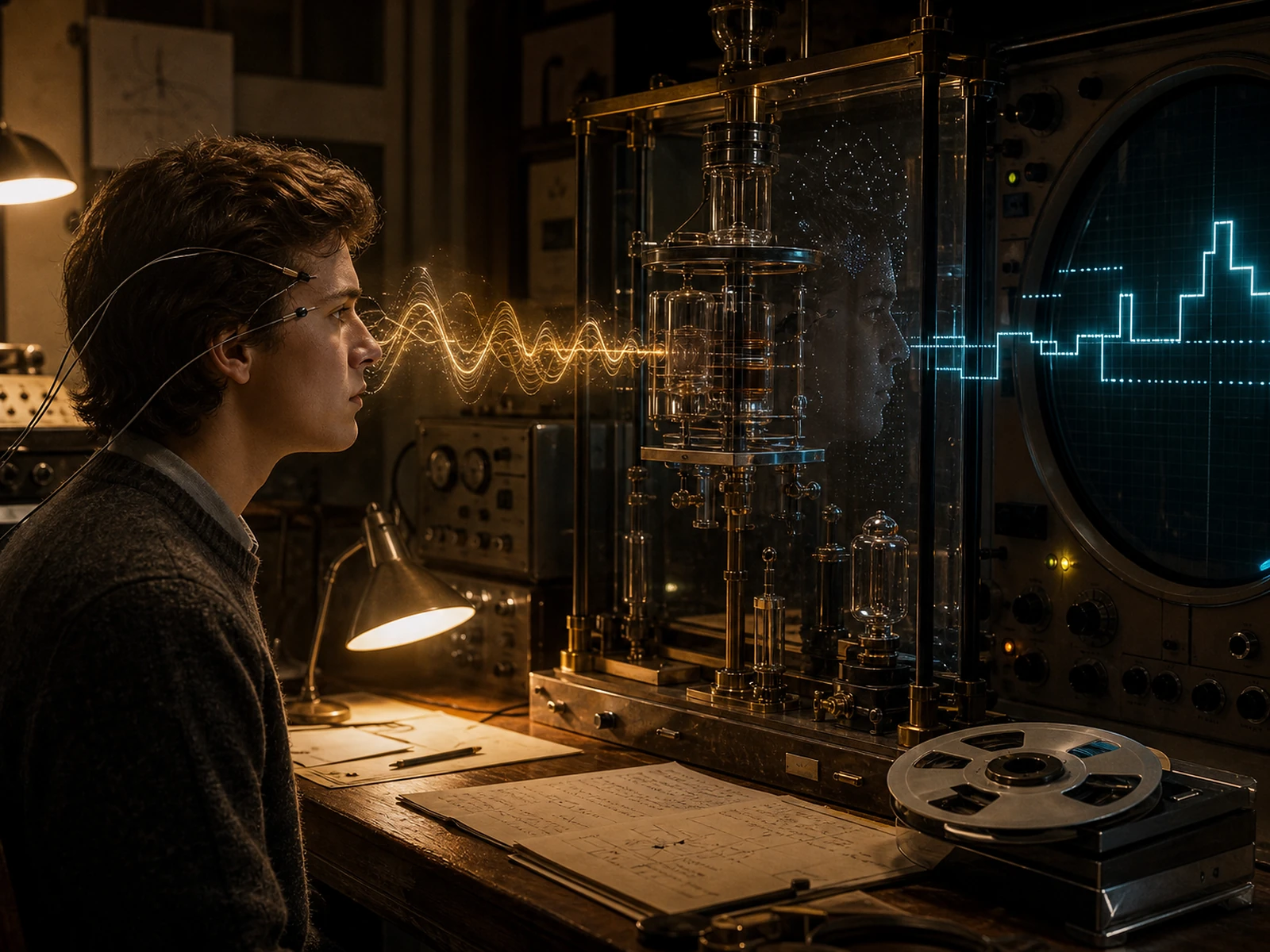
A scientist studies the waveform of the first neural transfer beside an analog computing apparatus

323

Discovery · The stolen mind

The first transfer changes the meaning of privacy.

Nicolas Tosh builds a mathematical bridge into the brain. Thought can cross without speech, memory can leave the body, and a scientific triumph becomes the first question the world is not ready to answer: who owns a mind once it can be entered?
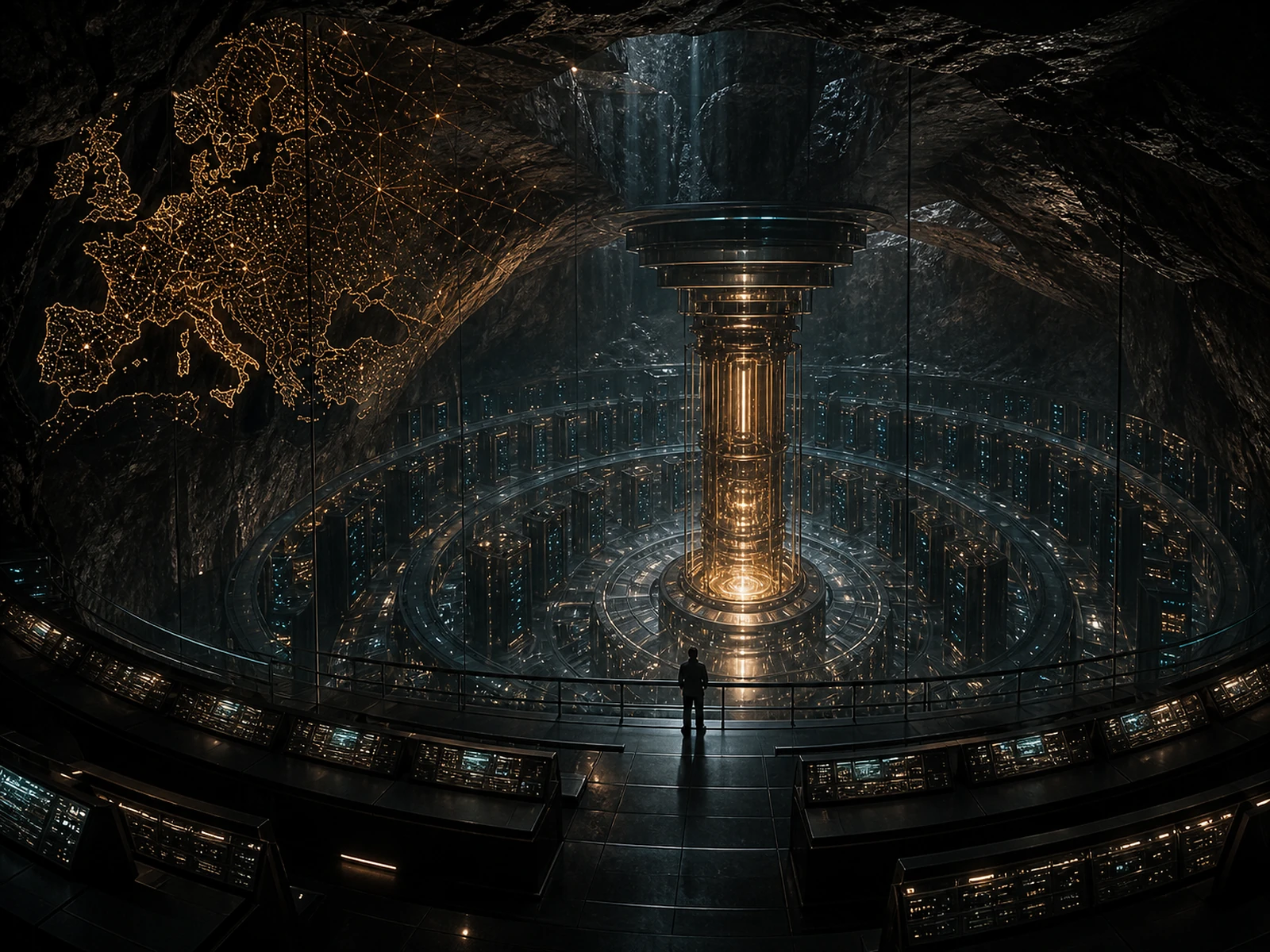
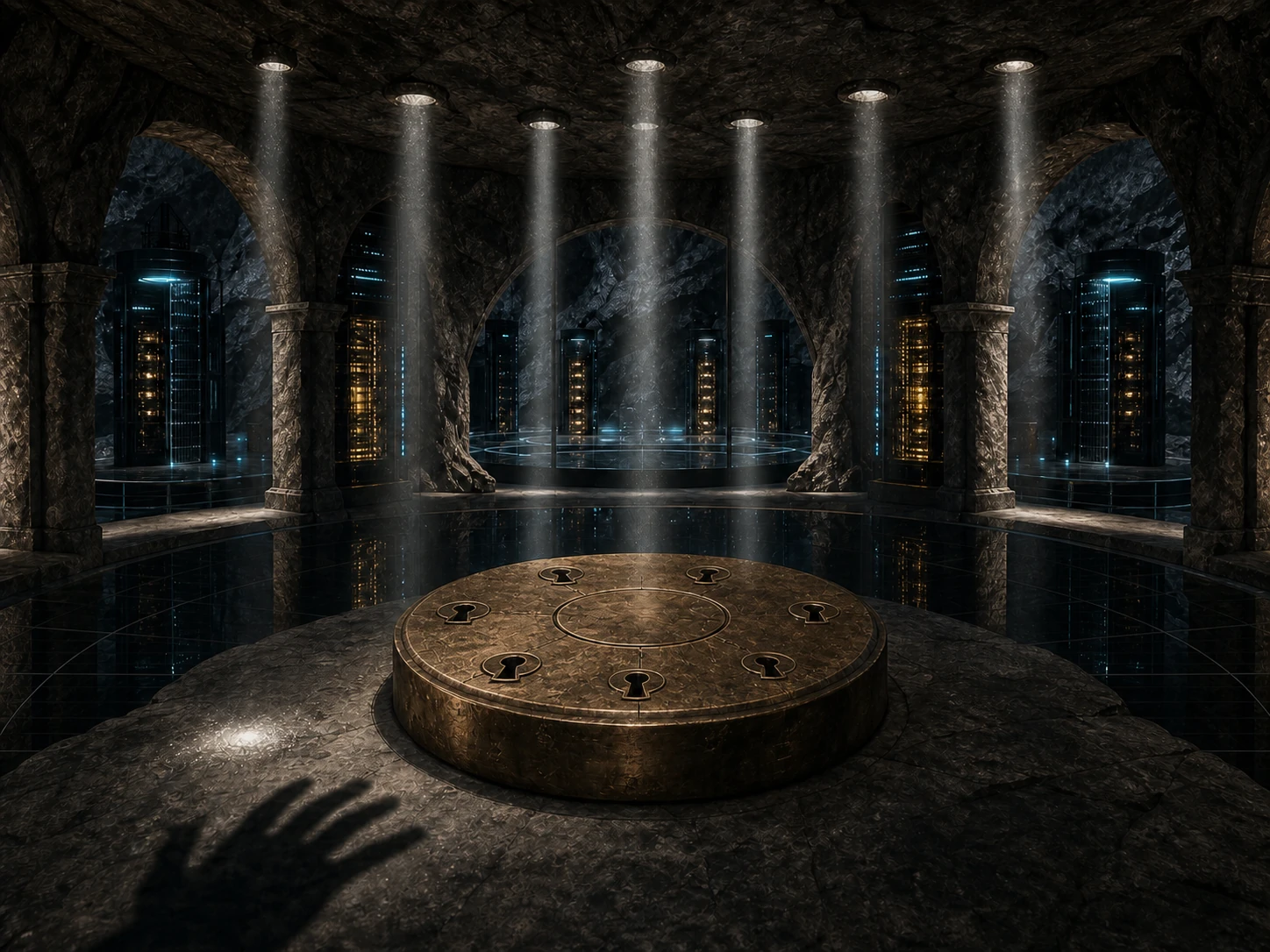
The immense underground Watch floor beneath Zermatt

324

Siege · The closed door

Seven keys protect the door that does not knock.

Deep beneath Zermatt, the Watch turns the breakthrough into a fortress. Its safeguards promise that no single person can command the system, yet every lock also concentrates fear, secrecy, and the power to decide whose thoughts may cross the threshold.

The seven-key architecture under attack during the silent global breach

325

Trespass · The silent vaccine

Protection enters every mind. Then the guardians burn.

A global neural shield is offered as defense against violation. But a protection installed everywhere can become the perfect instrument of surveillance, and the act remembered as the Burn forces the series to confront whether security without continuing consent is merely another form of occupation.

The four-book architecture

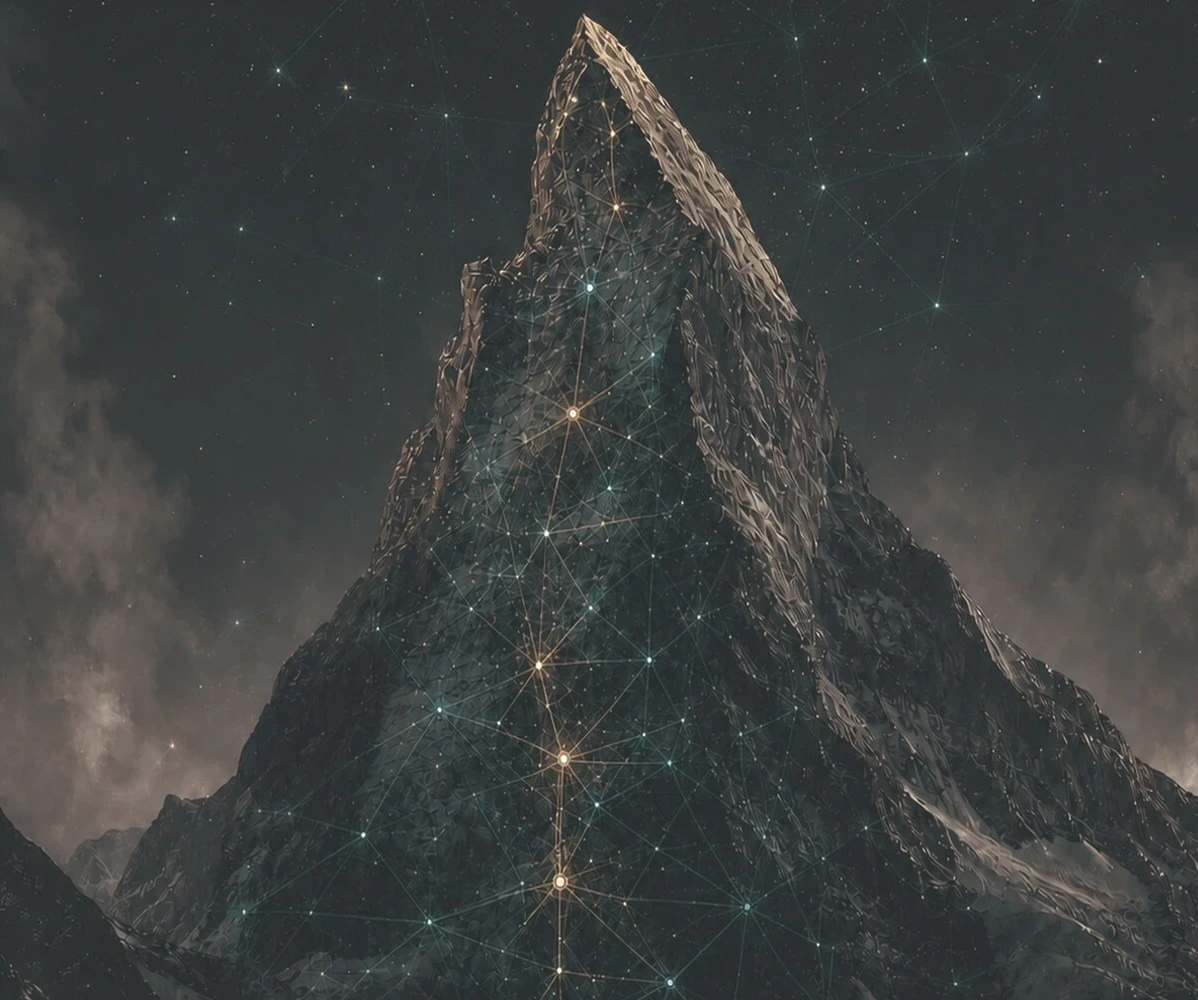
One mountain. Four states of consequence.

Select a mockup to open its cover and place in the saga.

Book I · Published · EN + ES

Algorithm-323

Discovery. The neural bridge is built, and the world learns what thought-to-thought communication can make possible.

Book II · Published · EN + ES

Algorithm-324

Expansion. The architecture moves beyond invention and into institutions, alliances, and the reach of a connected world.

Book III · Published · EN + ES

Algorithm-325

Conflict. The same system that can connect humanity can also become a weapon against the sovereignty of the mind.

Book IV · Published · EN + ES

Algorithm-326

Synthesis. The sequence arrives at its governing question: can extraordinary power be made answerable to consent?

Where the Algorithm Saga and the Rebel Hackers finally meet.

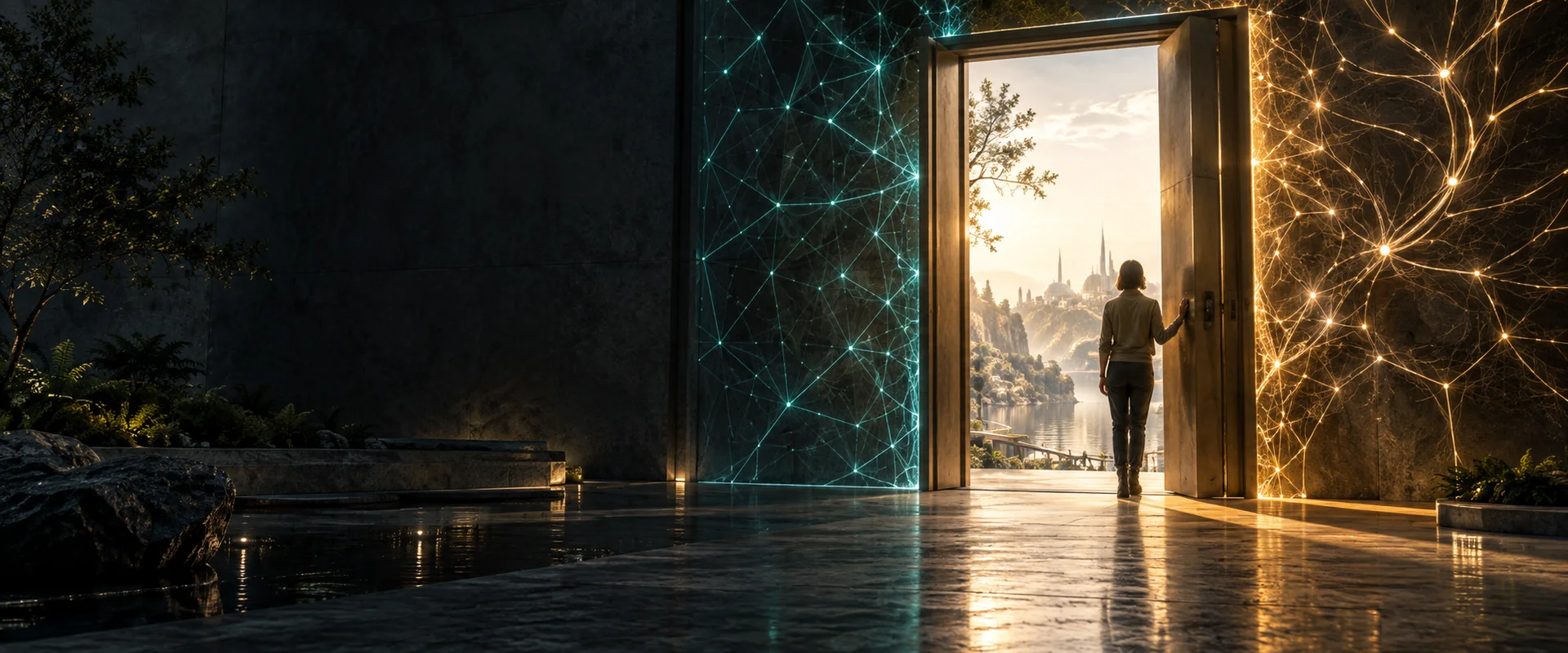
A lit doorway between two walls of light - one teal, one gold - opening onto a valley at first light

The convergence

The Silent Tenant joins the two roads.

The Algorithm Saga learns to refuse. The Rebel Hackers learn to ask. In the capstone novel, those separate traditions meet at the same threshold: no mind may be rewritten without a genuine, informed, and revocable yes.

The technology does not become moral because it is powerful. It becomes legitimate only when restraint is built into its architecture.

Before the sequence

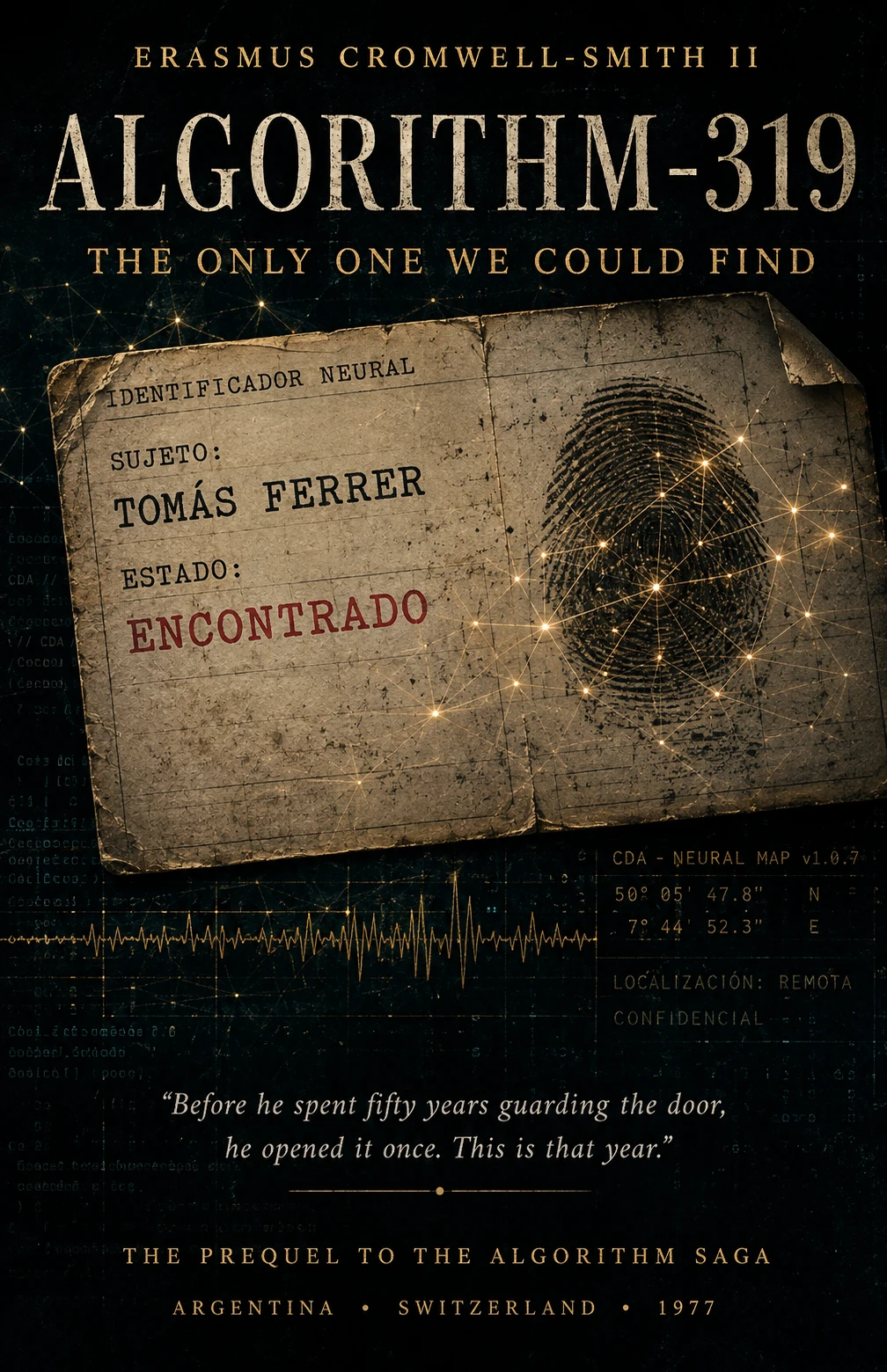
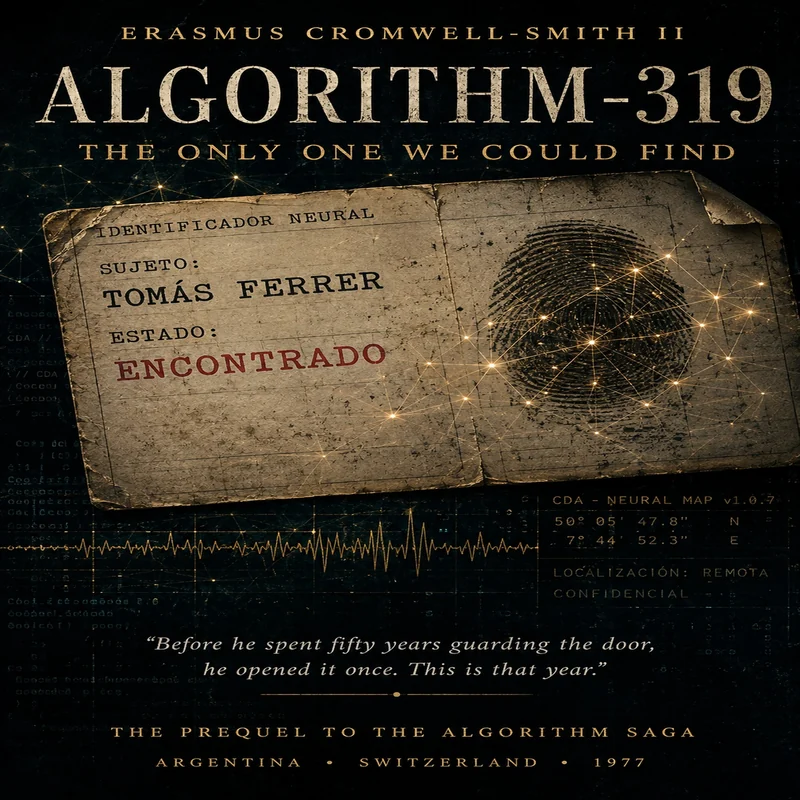
Algorithm-319

The Only One We Could Find

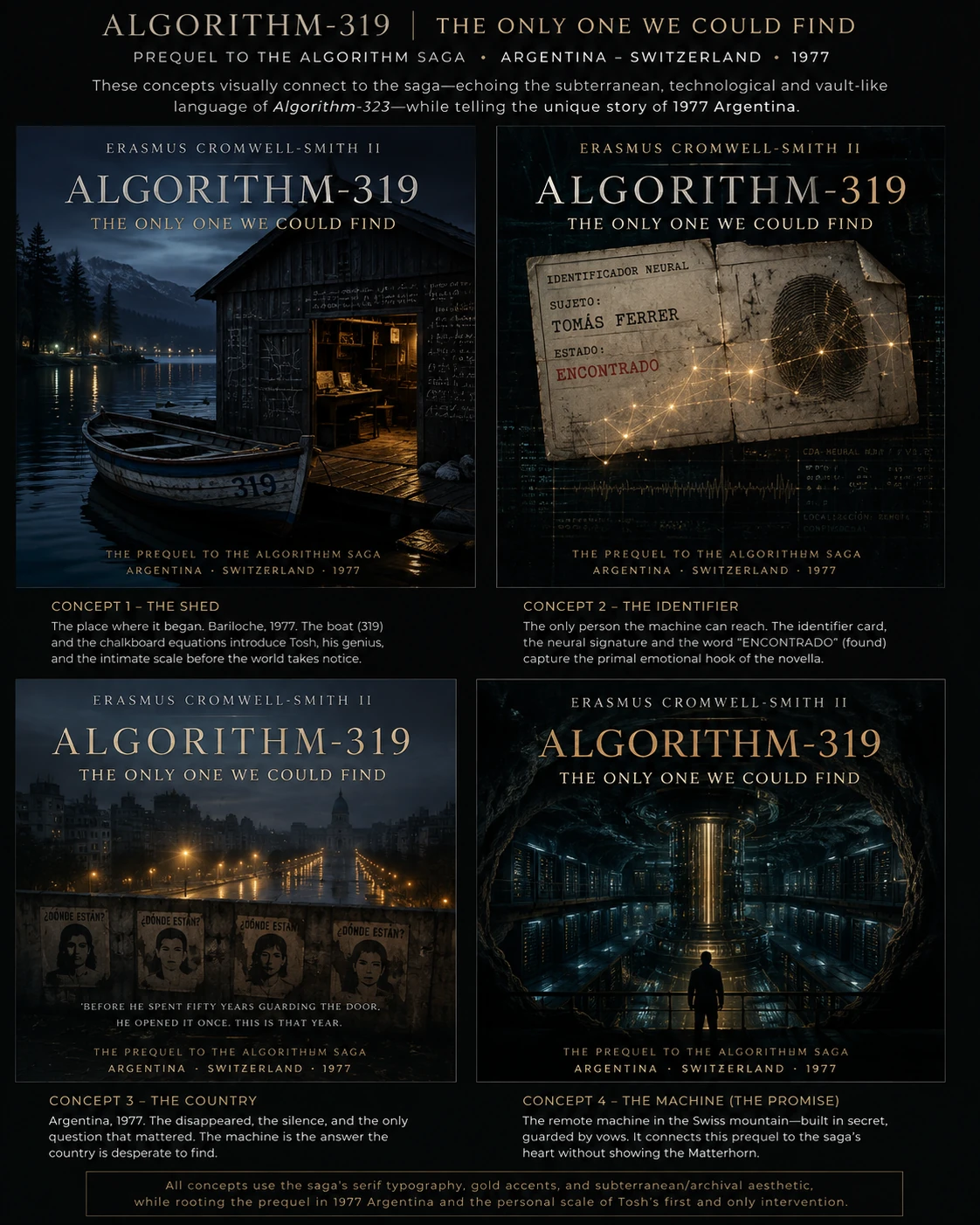
A prequel novella that turns the saga toward its buried beginning: an earlier number, an incomplete record, and the question of what had to exist before Tosh’s world-changing architecture could be recognized.

Four visual concept studies for Algorithm-319
Early visual studies for the prequel

Free prequel novella

Read it before the sequence.

The algorithm can prove a mind is still running. It cannot say where.

Bariloche, 1977. A nineteen-year-old mathematician builds a device the size of a cigarette pack that can register a human mind — and then his only friend disappears into a dictatorship that keeps no records.

Free EPUB · English edition

Enter your name and email and we’ll send the novella to your inbox.

Algorithm-319, audiobook cover

Free audiobook

Read it, or be read to.

2h 21m in 26 chapters, narrated by Daniel Dorse. Press play for a minute of it.

We’ll email your private link. Read it, or be read to. 2h 21m, narrated by Daniel Dorse. No purchase required.

YouTube · State of Super-Intelligence

The infrastructure behind the fiction.

The sagas imagine minds that can be copied and machines that can be trusted. This channel walks the real ground beneath them — the data centres, the compute, and the question of what arrives next.

State of Super-Intelligence — a data centre corridor and the monolith mark
Subscribe

7,172subscribers

Book I · Discovery

Cover of Algorithm-323

Algorithm-323

Nicolas Tosh is a math prodigy. In 1974, he develops discreet algorithms that enable seamless communication to and from the brain. Thoughts replace voices, memory banks become downloadable, and every live thought, image, and sound can be captured through Tosh’s mathematical constructs.

To ensure neutrality, he builds a data center in Zermatt, Switzerland, to host a global neural network and a state-of-the-art quantum computer. Conflict becomes inevitable when one nation tries to exploit Algorithm-323 against the others.

Paperback

eBook

Book II · Expansion

Cover of Algorithm-324

Algorithm-324

The second movement expands the consequences of Tosh’s discovery. What began as an invention becomes infrastructure, and every new connection increases both its promise and its reach.

Paperback

eBook

Book III · Conflict

Cover of Algorithm-325

Algorithm-325

The conflict at the heart of the saga comes into view: a system designed to connect and protect human minds can also be turned toward surveillance, coercion, and control.

The question is no longer whether the technology works. It is whether any institution—or any intelligence—can be trusted with it.

Paperback

eBook

Book IV · Synthesis

Cover of Algorithm-326

Algorithm-326

The fourth movement gathers discovery, expansion, and conflict into a final problem of governance. Protection is not enough. Power must be made answerable to the individual mind.

The sequence ends where The Silent Tenant begins: at the architecture of consent.

Paperback

eBook